A stand mixer is often seen as a convenient kitchen appliance for baking, but its real value comes from how different attachments create different food textures. A dough hook, whisk, and paddle attachment are not simply interchangeable tools. Each one applies mechanical force in a different way, affecting how ingredients combine, how structures develop, and how the final texture is formed.
Understanding stand mixer uses helps explain why the same machine can prepare bread dough, whipped cream, cake batter, and many other recipes. The attachment design, mixing speed, and movement pattern all determine how efficiently ingredients are processed.
Different recipes require different types of mixing action. Dough needs mechanical development, whipped cream needs air incorporation, and cake batter requires controlled blending. Using the wrong attachment may still combine ingredients, but it may not create the desired texture.
The main difference between attachments is how they transfer energy into food:
Dough hooks are designed for stretching and folding heavy mixtures, helping develop gluten structure in yeast dough.
Whisks focus on introducing air into liquid mixtures, creating lighter textures for cream and egg-based recipes.
Paddles provide balanced mixing for ingredients that need even distribution without excessive aeration.
This is why a stand mixer is more than a motorized bowl. The attachment system determines what type of work the machine performs.
| Attachment | Main Function | Common Applications |
|---|---|---|
| Dough Hook | Develops dough structure | Bread, pizza dough |
| Whisk | Incorporates air | Cream, egg whites |
| Paddle | Blends ingredients evenly | Cake batter, cookies |
A well-designed kitchen mixer combines these different movements to handle a wide range of recipes.
Many people think kneading simply combines flour and water, but the process involves much more. When flour absorbs water, proteins begin forming gluten networks that create elasticity and strength.
The dough hook helps reproduce the stretching and folding action of traditional kneading. Instead of manually working the dough, the mixer repeatedly applies controlled force to develop the structure needed for baking.
The effectiveness of dough mixing depends on several factors:
Mixing speed and duration
Dough hydration level
Ingredient distribution
Attachment movement pattern
The goal is not just a uniform mixture. Proper kneading creates the internal structure that influences the final bread texture, volume, and softness.
A whisk attachment performs a completely different task from a dough hook. Its main purpose is not to build structure but to incorporate air into ingredients.
When whipping cream or egg whites, the whisk creates small air bubbles that become part of the final food structure. The amount and stability of this air affect volume and texture.
Factors such as ingredient temperature, whisk design, and speed control all influence the final result. This is why whipping is not simply about mixing faster. It requires the right mechanical movement to create and maintain the desired texture.
The paddle attachment is often used for recipes that require even blending without creating too much air. It sits between the heavy kneading action of a dough hook and the high-speed aeration of a whisk.
For cookies, cakes, and butter-based mixtures, the goal is usually to distribute ingredients evenly while maintaining the intended consistency. Excessive mixing can sometimes affect texture, so controlled movement is important.
A paddle attachment is especially useful when recipes require smooth integration of ingredients rather than structural development or aeration.
One important feature in modern mixers is planetary mixing. Unlike simple rotation, where an attachment only spins in one place, planetary movement allows the attachment to rotate around its own axis while also moving around the bowl.
This creates wider ingredient coverage and helps reduce unmixed areas inside the bowl.
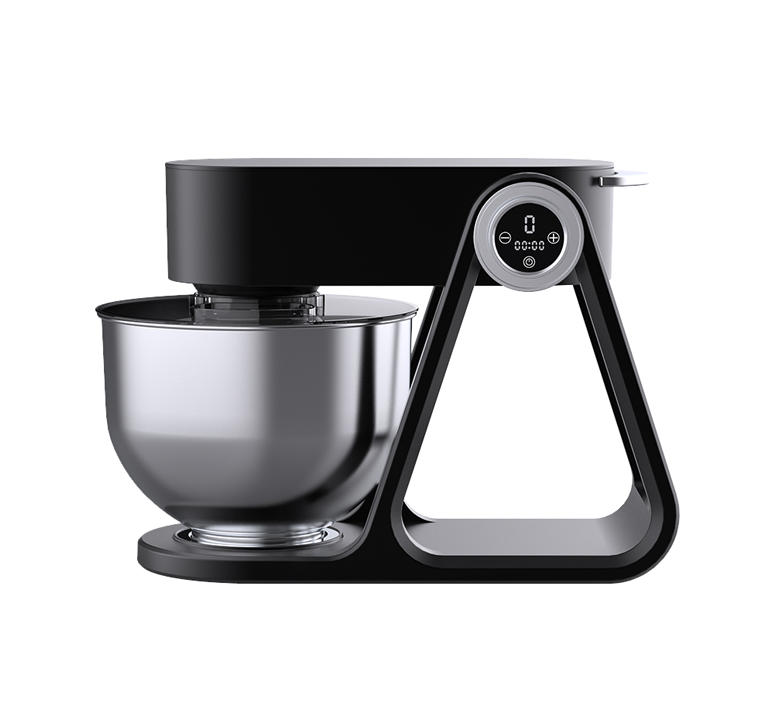
INVITOP A5-A stand mixer uses a 3D planetary mixing system together with multiple attachments and speed settings. This design supports different mixing tasks by improving ingredient contact and consistency during operation.
The benefit of planetary mixing is not only faster processing. It helps create a more uniform interaction between the attachment and ingredients, which is especially useful when preparing larger batches.
A common misunderstanding is that higher speed always produces better results. In reality, mixing speed should match the recipe requirement.
For example:
Low speeds are generally useful for combining ingredients and handling heavier mixtures.
Medium speeds are suitable for everyday mixing tasks.
Higher speeds are often used when creating volume through aeration.
A stand mixer with multiple speed settings provides more control because the user can adjust the mechanical force applied to the ingredients. Maximum power alone does not determine the quality of the final result.
The real advantage of a stand mixer is not only automatic mixing, but the ability to change how mechanical energy interacts with food. Dough hooks develop structure, whisks create aeration, paddles provide controlled blending, and planetary movement improves overall consistency.
Understanding different stand mixer uses allows users to select the right attachment and speed for each recipe, turning one appliance into a flexible tool for many baking applications.
A stand mixer can be used for kneading dough, whipping ingredients, mixing batter, and preparing various baking recipes.
A dough hook is mainly used for kneading yeast dough by stretching and developing gluten structure.
A whisk attachment is suitable for recipes that require air incorporation, such as whipped cream and egg whites.
A paddle attachment is commonly used for mixing cake batter, cookies, and butter-based recipes.
Planetary mixing means the attachment rotates while also moving around the bowl, improving ingredient coverage.
Different speeds allow users to control mixing intensity and match the movement required for different recipes.