E-mail
Environmental Appliances
18899818624/Ms.Jiang
Refrigeration Appliances
15398805483/Mr.Gan
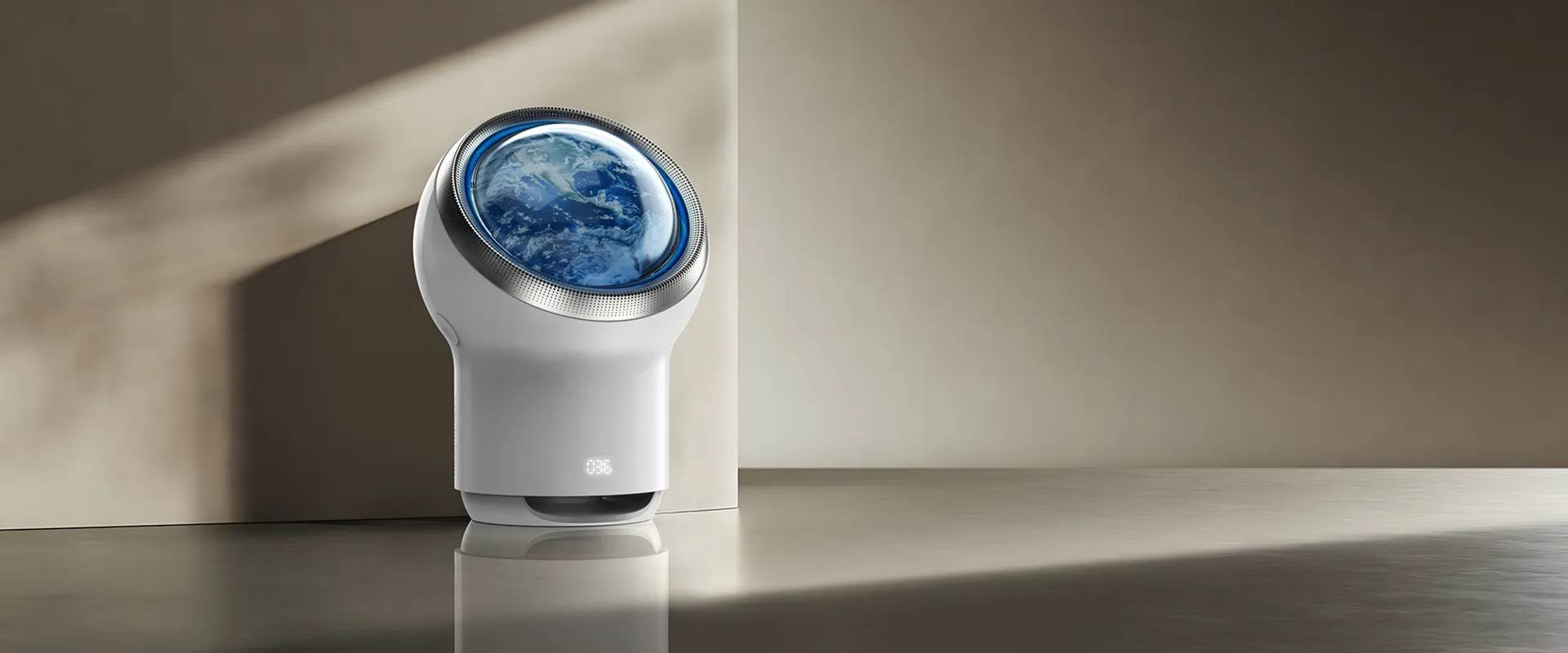
INVITOP is a leading air purification manufacturer in China, offering a full range of high-performance air purifiers designed for homes, offices, and large commercial spaces. with CADR options from 15 m³/h to 1,000 m³/h to meet diverse application needs. Our best-selling models — including Mars, Zoro, Jupiter Plus, Neptune, and Scuti — feature advanced HEPA filtration, negative ion technology, and smart control systems, delivering clean and healthy air for every environment. As a Red Dot Design Award winner and ISO9001-certified manufacturer, INVITOP partners with global brands for OEM and ODM air cleaner solutions.
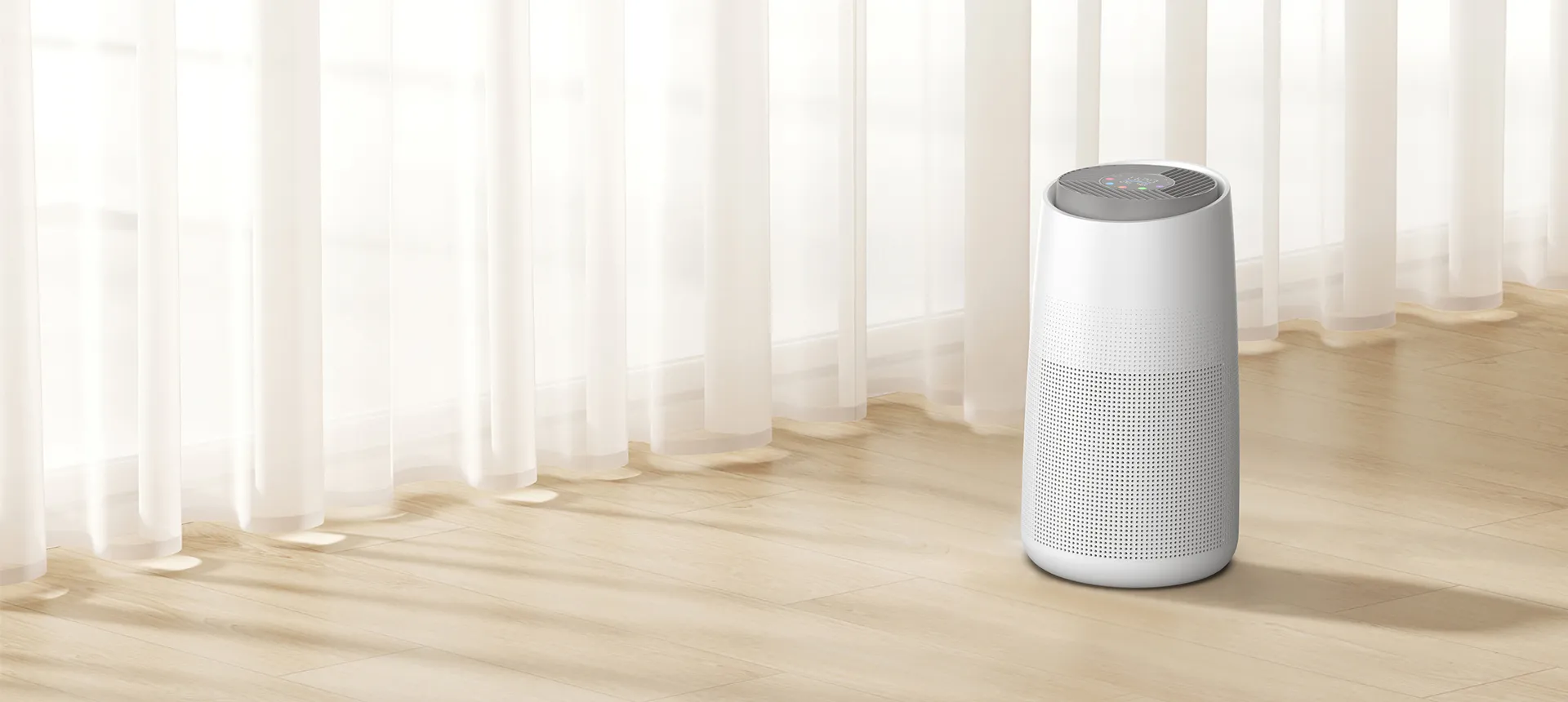
Seasonal allergies are commonly triggered from ragweed allergies, fall allergies and spring allergies, the stuffiness and discomfort is annoying, many of us use medication usually, but a growing trend is to clean the air of allergens with an air purifier. This non-invasive approach is becoming more and more popular as medicines tend to lose their effectiveness over time and clean air can mitigate allergy symptoms.
Asthma rates in children are increasing, in fact, 1 in 11 now have some form of asthma. Part of this increase is due to a strong link between allergies and asthma, other asthma sources are related to smoke and air pollution. Steroids or other medications are commonly prescribed to help control asthma. But controlling asthma requires multiple methods and an air purifier for asthma can have great results.
All kinds of smoke are difficult airborne pollutants to remove since it contains hundreds of gases and particulates so it requires a high level air purifier. To effectively remove smoke add you'll need a high efficiency air filter, a strong motor, and carbon-based filters in your air purifier for your home.
No matter the season, pets like cats, dogs, and birds are either shedding their hair or losing old, dry skin throughout our homes. Then, our HVAC systems blow that pet dander throughout our homes and into our lungs. Your HVAC system control your air conditioning and heating, but air purifiers will clean your indoor air. Using a portable air purifier in common pet areas will capture the pet dander before it enters your immune system.
Air purifiers work by drawing in polluted indoor air, passing it through advanced multi-stage filtration systems, and releasing clean, fresh air back into the room. This continuous circulation effectively removes dust, allergens, odors, bacteria, viruses, and other pollutants, significantly improving indoor air quality.
Stage 1 — Pre-Filter
The pre-filter is the first line of defense, capturing large particles such as dust, hair, and lint. It protects inner filters from premature clogging and extends overall filter life. Most pre-filters are washable and reusable, reducing long-term maintenance costs.
Stage 2 — True HEPA Filter
The True HEPA 13 filter is the core purification stage. It captures 99.97% of airborne particles at 0.3 microns or larger, including PM2.5, pollen, mold spores, dust mites, and pet dander. The 0.3-micron threshold is critical — particles at this size are the hardest to capture and represent the benchmark for HEPA certification under EN 1822 standards. INVITOP air purifiers use certified True HEPA 13 filters across all major models, from the compact Jupiter (CADR 95 m³/h) to the commercial-grade Scuti (CADR 1,000 m³/h).
Stage 3 — Activated Carbon Filter
The activated carbon layer adsorbs gaseous pollutants that HEPA filters cannot capture: VOCs (volatile organic compounds), formaldehyde, cooking odors, cigarette smoke, and chemical fumes. Carbon filtration is particularly important in newly furnished rooms and urban environments with high outdoor pollution.
Stage 4 — Negative Ion Generator (select models)
Negative ion technology releases negatively charged ions into the air, which bond with positively charged pollutant particles (dust, bacteria, smoke). The heavier combined particles fall out of the air or are captured by the filter on the next air cycle.
Stage 5 — UV-C Sterilization (select models)
UV-C light (wavelength 200–280 nm) disrupts the DNA of bacteria, viruses, and mold spores, preventing them from reproducing. The INVITOP Cody Pro and Umi models incorporate UV-C sterilization as an additional sanitation layer.
Stage 6 — Clean Air Output
Purified air is gently released from the top or front, creating a steady flow of fresh air throughout the room.
Choosing the right air purifier depends on your specific needs — allergies, odors, smoke, or germs. Here is a clear comparison of the main technologies used in Invitop and leading air purifiers:
Type | Main Technology | Best For | Pros | Cons | Invitop Examples |
HEPA Filter | Mechanical fiber filtration | Dust, pollen, PM2.5, allergens, pet dander | Extremely effective (99.97%), no byproducts, proven performance | Requires periodic filter replacement | Mars, Jupiter Series, Mercury, Cody Pro |
Activated Carbon | Gas adsorption | Odors, smoke, VOCs, chemicals | Excellent at removing smells and gases | Less effective on particles by itself | Combined in most Invitop models |
Negative Ion | Ion charging of particles | General airborne particles, dust | Quiet operation, helps particles settle | May produce trace ozone (can be turned off) | Zoe Plus, Neptune, Ganymede |
UV-C | Ultraviolet germicidal light | Bacteria, viruses, mold | Effectively kills microorganisms | Does not remove particles or dust | Cody Pro and select models with UV option |
Multi-Stage Hybrid | HEPA + Carbon + Ion/UV + Sensors | Comprehensive home and office use | Best overall performance, smart automatic adjustment | Higher initial cost | Most Invitop flagship models (Mars, Jupiter Plus, Neptune, etc.) |
Recommendation: For most households, a Multi-Stage HEPA + Activated Carbon + Negative Ion/UV model like Invitop’s best-sellers provides the best balance. Always check CADR rating, room size coverage, and noise levels when choosing.
An air purifier primarily removes airborne particles, allergens, smoke, and odors, while a dehumidifier controls excess moisture. In damp rooms where both air pollution and high humidity are concerns, a dehumidifier and air purifier 2 in 1 can provide filtration and moisture control in one space-saving unit.
CADR stands for Clean Air Delivery Rate and it is the metric generated by old test methods dating back to the 1980s.
The CADR metric is a measurement of the clean air volume that a purifier can provide in a fixed amount of time and space – ultimately a measurement of the purification rate at maximum fan speed. It measures the amount of filtered air passed through a purifier.
The different test standards across the world for generating a CADR metric follow similar stipulations in how the test runs, and the chamber in which it should take place.
The test chamber normally is 30m3, depending on the methodology. It is a climate-controlled chamber, with solid walls, floor and ceiling. In the centre sits the purifier in question, and particle pollution is injected into the room from the outside through an aperture. A single sensor is installed in one side of the room to monitor the particle count in the room. There are also two fans – one wall-mounted and one ceiling fan – to aid air circulation.
Before the test begins, the purifier is placed in the centre of the room, manually switched on in maximum mode and ceiling and wall fans switched on. A controlled amount of pollutant is pumped into the room, the fans mixing and homogenising the pollutant concentration. At the start of the test, the ceiling fan is turned off, but the circulating fan remains running for the full test. It is conducted with dust, pollen and tobacco smoke, and runs for 20 minutes each time.
There are two measured factors that influence the CADR rating of the product tested:
a. the filter efficiency
b. the air flow through the filters.
The CADR score is calculated by measuring how much faster a purifier removes particles from the air compared to how quickly they would naturally drop and settle on surfaces. This is then multiplied by the volume of the test chamber – meaning that the chamber size is inextricably linked to the overall score.
How to calculate your required CADR: Multiply your room area (m²) by ceiling height (typically 2.5–3m) to get volume in m³, then choose a model with CADR ≥ room volume ÷ 1.5 (for 2–3 air changes per hour).
Environmental Appliances
18899818624/Ms.Jiang
Refrigeration Appliances
15398805483/Mr.Gan
Call Us
86-07562372386
Zhongshan
Area A1, Minsen Information Technology Industrial Park, No.8, East of jinsanAvenue, Sanjiao Town, Zhongshan 528445, Guangdong, China
Zhuhai
Building A4, No.625 Xinsha 5th Road, Zhu hai High-tech Development Zone, Zhuhai, China